
Approach


Light, scale, proportion, surrounding materials, and the way the surface is experienced all influence how the finish is developed.

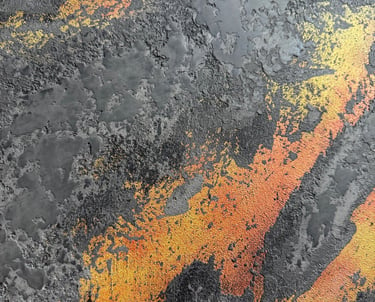
The process begins with communication: understanding the architectural intent, the role of the surface within the interior, and exploring the finishes that can best support that direction.
Each project begins with the space itself.
Once the direction is established, the finish is developed through samples and gradual refinement.
Developing the Surface
Texture, movement, color, and sheen are adjusted in response to the space, the light, and the surrounding materials.
The purpose of the sample is not simply to approve a color or effect, but to define the visual language of the surface before it is carried into the full project.
Once the surface is defined, the focus shifts to carrying that visual language consistently across the full extent of the project.
Execution
On large or complex surfaces, this means maintaining continuity of texture, color, and sheen across walls, ceilings, transitions, and changing conditions of light.
Final Review
The completed surface is evaluated in the space as a whole, not in isolation.
The project is complete when the surface feels resolved within the architecture.
Light, scale, adjacent materials, and the way the surface is viewed from different positions all influence the final assessment.
Execution is where the sample becomes architecture.